How Often Should You Mow Your Lawn in Mississippi?
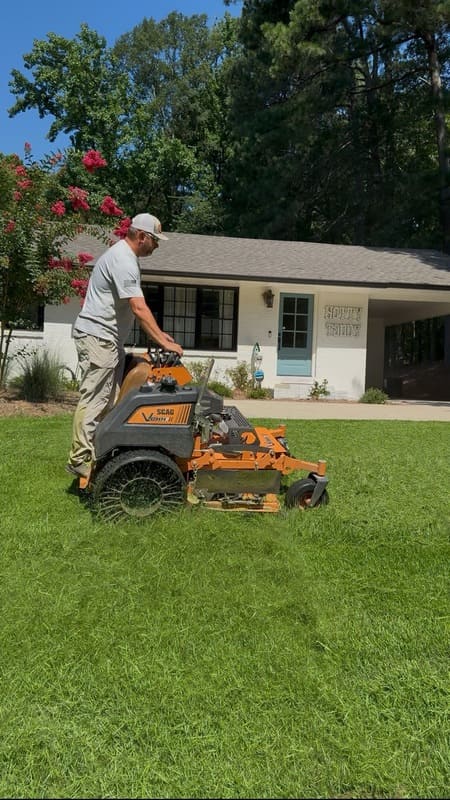
If you live in Oxford, MS, you know grass grows fast once the warmth and humidity kick in. Finding the right lawn mowing schedule keeps your yard thick, green, and ready for weekends on the patio. For homeowners who want a smooth, reliable plan without the guesswork, a trusted lawn mowing service can keep your yard on track through every season.
There isn't one calendar date that fits every property. The best frequency depends on grass type, recent weather, and how you use your yard. Below, we'll break down a practical, local schedule and the simple rules that keep Mississippi lawns looking their best.
What Drives Lawn Mowing Frequency
North Mississippi sits in a transition zone. Warm-season grasses love our long summers, while some cool-season grasses hang on in shaded or irrigated areas. That means mowing schedules can vary even from yard to yard on the same street.
- Early spring: growth starts slowly as the soil warms; mow less frequently.
- Late spring through summer: growth accelerates with rain and heat; mow more often.
- Early fall: growth tapers; stretch the interval a bit.
- Late fall and winter: growth is minimal; mow only as needed to keep things neat.
Traffic matters, too. Lawns near busy sidewalks, the Square, or student rentals often get more wear and need a tighter schedule to stay dense. Shady backyards may stretch the interval, while sunny front lawns often need weekly care during peak growth.
Warm-Season vs. Cool-Season Grasses: Why It Changes Your Schedule
Most Oxford lawns feature warm-season types like Bermuda or Zoysia. These thrive in summer and can need weekly mowing when temperatures rise. In some shaded corners, you may see cool-season grasses such as fescue that ease up in summer and perk back up when fall arrives.
Follow the one-third rule: never remove more than one-third of the leaf blade in a single cut. This simple guideline protects roots, reduces stress, and helps your lawn handle heat, foot traffic, and dry spells.
Warm-season grasses generally prefer a lower cut than cool-season types, but “short” doesn't mean scalped. Taller blades shade the soil, hold moisture better, and crowd out many weeds. If your yard mixes sun and shade, your schedule may shift slightly from area to area to honor the right height for each spot.
Weekly vs. Biweekly: Picking A Lawn Mowing Schedule That Fits
During peak Mississippi growth, weekly mowing is the gold standard for a clean look and consistent health. Biweekly schedules can work in slower periods, but they can push you to cut too much at once after rain and heat.
- Choose weekly when the grass is actively growing, you irrigate, or appearance is a priority.
- Choose biweekly when growth slows due to cooler nights, shade, or drought.
Here's a quick gut check: if the lawn looks shaggy, clumps when cut, or shows tracks from wheels, it's time to tighten the schedule. If clippings are tiny and the yard looks even after a cut, your timing is on point.
Oxford Weather Swings: How Rain, Heat, and Drought Change Timing
Our area can see heavy summer downpours followed by bright, hot days. After a rainy spell, growth can spike for a week or two and call for an extra mow. In heat or drought, growth slows, so stretching your schedule a bit is kinder to the turf.
Watch what nature tells you. Rapid growth after storms, seedhead flushes on Bermuda, or lush edges near downspouts all hint that the mower needs to come out sooner. When it's dry, taller blades help shade the soil and conserve moisture, so keep your height slightly higher and avoid aggressive cuts.
After a heavy summer storm, let the lawn dry before mowing. Cutting wet grass can cause ruts, clumping, and dull blades that tear leaves. A short wait protects your turf and your equipment.
Cutting Height And Pattern: Small Choices, Big Results
Avoid scalping along high spots or edges; it weakens the lawn and invites weeds. If your yard has uneven areas, stepping up the deck a notch on ridges helps keep coverage thick. Alternating your mowing pattern also reduces wheel ruts and keeps blades standing tall for a crisp, striped finish.
Keep blades sharp for a cleaner cut and fewer brown tips. Dull blades shred the grass and can make the lawn look faded, even right after a mow. If your mower struggles or the clippings look torn, it's time for sharpening or a pro's touch.
A Practical Month-By-Month Rhythm For Mississippi Lawns
Every property is different, but this local rhythm works well for many Oxford lawns. Use it as a baseline and adjust when weather or grass type calls for it.
- March: light, occasional cuts as growth wakes up.
- April: steady growth begins; move toward biweekly, then weekly as needed.
- May-August: peak season; weekly is typical for a polished look.
- September: still active; weekly or 10–14 days depending on rain and temps.
- October: taper to biweekly as nights cool.
- November-February: as needed to keep things neat and prevent matting.
If you maintain sports-ready stripes or host frequent gatherings, lean toward the shorter end of each range. If parts of your lawn are shaded by mature trees, give those areas a touch more height and a slightly longer interval.
Signs Your Lawn is Ready For Its Next Cut
Don't rely only on the calendar. Your lawn signals its needs between weather changes, football weekends, and family schedules.
- Leaf blades are more than one-third above your normal cutting height.
- Clippings form clumps on top after mowing.
- The lawn looks uneven around slopes, curbs, or sprinkler heads.
- Seedheads appear across Bermuda or Zoysia patches.
When you spot these cues, move the next move up a few days. Consistency keeps density, color, and curb appeal steady all season long.
Appearance Matters: Edging, Cleanup, and Curb Appeal
Clean edges along sidewalks and driveways frame the entire property. Blowing clippings off hard surfaces keeps things tidy and prevents slippery spots after rain. If you host tailgates or have visitors on busy weekends, building in a pre-event mow is an easy win for first impressions.
Busy households around campus areas or near new subdivisions off Highway 7 often prefer a set weekly slot. That way, the yard stays photo-ready without juggling tools or watching the weather.
Why Homeowners Choose A Local Lawn Mowing Company
Reliable scheduling removes guesswork during fast-growth weeks. Pros bring commercial-grade mowers, edging tools, and sharp blades that leave a smoother finish in less time. They also spot early signs of stress, weeds, or drainage issues before they snowball.
If you want a single team to handle the whole exterior, it helps to choose a company that offers full-service lawn care and pressure washing support. One provider, one call, and a yard that stays consistent across seasons and special events.
Your Best Schedule: Simple Rules That Work in Oxford
Start with weekly during peak growth, stretch to biweekly when growth slows, and always protect the one-third rule. Keep blades sharp, vary the mowing pattern, and raise the deck in stressful weather. These simple habits protect color, density, and root depth through Mississippi's heat.
If your calendar is packed or you'd rather enjoy your weekends, booking a reliable route with a local crew is the easiest path to a great-looking lawn. You'll get consistent timing that tracks changing weather, so your yard stays neat without constant attention.
Ready For A Reliable Lawn Mowing Service in Oxford?
It's easy to hand off the timing, tools, and touch-ups to a local team that knows our weather and grass types. When you want a consistent, polished look every week, consider scheduling with a trusted provider right here in town.
Want a lawn that looks great all season without lifting a finger? Call Clayton Professional Services at 662-801-9371 to set up a dependable mowing route that fits your yard and your calendar.